

Nepal, a land of diverse cultures and rich traditions, boasts an array of vibrant festivals that reflect its unique cultural mosaic. Each festival, rooted in ancient traditions and celebrated with great enthusiasm, offers a glimpse into the heart and soul of Nepalese society. Here are the top 10 cultural festivals in Nepal that you should not miss.
1. Dashain
Dashain, the longest and most significant festival in Nepal, marks the victory of good over evil. Celebrated in September-October, this 15-day festival honors the goddess Durga. Families gather to receive blessings, fly kites, and partake in grand feasts. The vibrant atmosphere is filled with the sounds of traditional music and the sight of intricate decorations.
2. Tihar
Following Dashain is Tihar, the festival of lights, known as Deepawali. Celebrated over five days, Tihar honors different animals on each day, with the final day dedicated to brothers and sisters, reinforcing familial bonds. Houses are adorned with oil lamps, making the nights glow beautifully, and the streets are filled with the melodies of traditional songs.
3. Holi
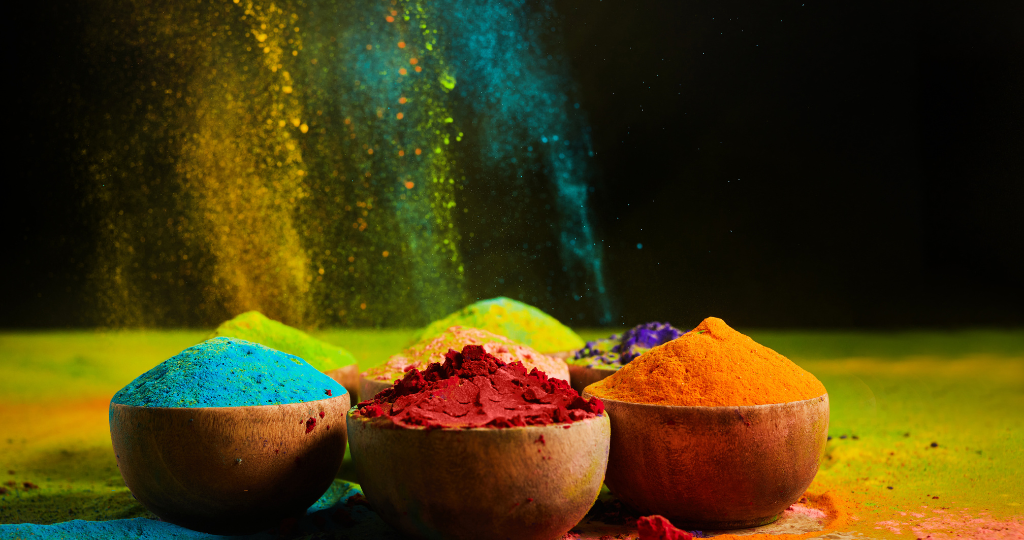
Holi, the festival of colors, signifies the arrival of spring and the triumph of good over evil. Held in March, this festival is a riot of colors as people throw colored powders and water at each other. The joyous celebrations, filled with dancing, singing, and feasting, create a lively and inclusive atmosphere.
4. Teej
Teej is a women’s festival dedicated to the goddess Parvati and celebrated in August-September. Women dress in red saris, fast, and pray for marital bliss and the well-being of their spouses. The festival includes singing, dancing, and processions, making it a vibrant and culturally rich event.
5. Bisket Jatra
Bisket Jatra, celebrated in Bhaktapur during April, marks the Nepalese New Year. The festival features grand processions, chariot races, and the erection of a ceremonial pole. The streets come alive with traditional music, dances, and the laughter of locals and visitors alike.
6. Indra Jatra
Indra Jatra, celebrated in September in Kathmandu, honors Indra, the god of rain and king of heaven. The eight-day festival features the Kumari Jatra, where the living goddess Kumari is paraded through the streets in a chariot. Traditional dances, including the Lakhe dance, and masked performances add to the festive atmosphere.
7. Lhosar
Lhosar is the Tibetan New Year, celebrated by various Himalayan communities in December-February. Monasteries are decorated, and people wear traditional attire, perform cultural dances, and enjoy feasts. It’s a time of renewal, prayer, and celebration, with a unique blend of Buddhist rituals and local customs.
8. Maghe Sankranti
Maghe Sankranti, celebrated in January, marks the winter solstice and the start of longer days. Families gather to enjoy traditional foods like sesame seeds, molasses, and sweet potatoes. The festival also involves ritual baths in rivers, symbolizing purification and renewal.
9. Gai Jatra
Gai Jatra, the festival of cows, is celebrated in August in memory of deceased family members. Families lead decorated cows through the streets, believing they help guide the souls to the afterlife. The festival is also marked by humorous and satirical performances, making it a unique blend of reverence and mirth.
10. Janai Purnima and Raksha Bandhan
Janai Purnima, also known as Raksha Bandhan, is celebrated in August. It involves the changing of the sacred thread (Janai) by Hindu men and the tying of protective threads (Rakhi) by sisters on their brothers’ wrists. The festival promotes familial harmony and is celebrated with prayers, feasts, and various rituals.
Conclusion
Experiencing these festivals offers a deep dive into the rich cultural heritage of Nepal. Each festival, with its unique traditions, rituals, and celebrations, provides a captivating glimpse into the life and spirit of the Nepalese people. Whether you’re a culture enthusiast or a curious traveler, these festivals promise an unforgettable journey through the heart of Nepal.


