
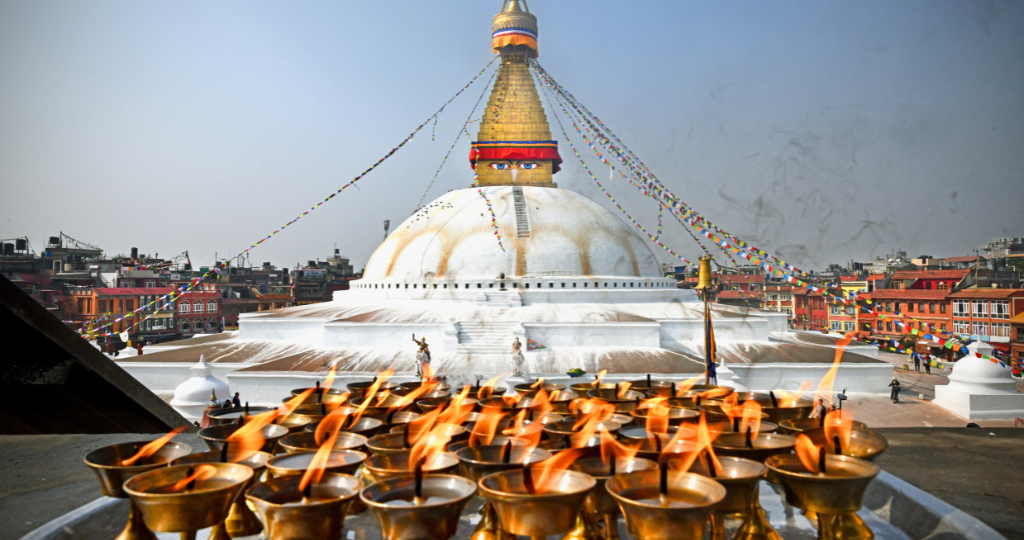

Nepal, with its stunning landscapes, rich culture, and warm hospitality, is a dream destination for many travelers. Whether you’re drawn to the towering peaks of the Himalayas, the spiritual ambiance of ancient temples, or the vibrant local traditions, Nepal offers something for everyone. Here are some essential travel tips to ensure a smooth and memorable experience for first-time visitors.
1. Visa and Entry Requirements
- Visa on Arrival: Nepal offers visas on arrival for most nationalities at the Tribhuvan International Airport in Kathmandu and various land border crossings. Ensure you have a passport-sized photo and the required fee (in USD) for the visa application.
- Online Application: To save time, you can fill out the online visa application form before your arrival, available on the official Department of Immigration website.
2. Health Precautions
- Vaccinations: Consult your doctor about recommended vaccinations for Nepal. Common vaccinations include Hepatitis A and B, Typhoid, and Tetanus.
- Altitude Sickness: If you plan to trek, be aware of altitude sickness. Ascend gradually, stay hydrated, and consider carrying medication like Diamox.
- Water Safety: Avoid tap water and ice. Drink bottled or purified water and use it for brushing your teeth.
3. Currency and Money Matters
- Currency: The official currency is the Nepalese Rupee (NPR). Carry small denominations for convenience.
- ATMs and Cards: ATMs are widely available in major cities, but carry cash when traveling to remote areas. Credit and debit cards are accepted in hotels and restaurants in urban areas but not in rural parts.
- Currency Exchange: Exchange money at authorized counters or banks for better rates and safety.
4. Cultural Etiquette
- Respect Local Customs: Dress modestly, especially when visiting religious sites. Cover your shoulders and knees.
- Shoes Off: Remove your shoes before entering homes, temples, and monasteries.
- Greetings: Use “Namaste” (pressing your palms together) as a respectful greeting.
- Permission: Always ask for permission before taking photos of people, especially monks and in temples.
5. Trekking and Adventure Activities
- Permits: Obtain necessary permits for trekking, such as the TIMS (Trekkers’ Information Management System) card and ACAP (Annapurna Conservation Area Permit) if trekking in the Annapurna region.
- Guides and Porters: Hiring a guide or porter can enhance your trekking experience and support the local economy. They provide valuable knowledge and assistance, especially in remote areas.
- Gear: Bring or rent high-quality trekking gear. Good boots, a down jacket, and a sturdy backpack are essential.
6. Transportation
- Domestic Flights: Flights between major cities and to trekking gateways like Lukla can be booked in advance. Be prepared for possible delays due to weather conditions.
- Local Transport: Buses, minibuses, and taxis are common in cities. Negotiate fares with taxi drivers beforehand.
- Rickshaws and Tempos: For short distances, cycle rickshaws and electric tempos are eco-friendly and inexpensive options.
7. Safety Tips
- Personal Safety: Nepal is generally safe, but take standard precautions. Avoid walking alone at night in unfamiliar areas.
- Travel Insurance: Obtain comprehensive travel insurance that covers medical emergencies, trip cancellations, and adventure activities.
- Emergency Numbers: Keep a list of emergency contacts, including the local embassy or consulate, and local emergency numbers.
8. Connectivity
- SIM Cards: Purchase a local SIM card (NTC or Ncell) for affordable mobile data and calls. You’ll need your passport and a passport-sized photo to register.
- Wi-Fi: Available in most hotels, cafes, and restaurants in urban areas. Expect limited connectivity in remote regions.
9. Local Cuisine
- Food Safety: Enjoy local cuisine but be cautious with street food. Opt for freshly cooked meals and avoid raw or undercooked dishes.
- Must-Try Dishes: Savor traditional foods like dal bhat, momos, thukpa, and Newari specialties. Drink lassi or try the local butter tea in the highlands.
10. Sustainable Travel
- Respect the Environment: Practice Leave No Trace principles. Dispose of waste properly and avoid using single-use plastics.
- Support Local Communities: Purchase locally-made crafts and products, stay in family-run guesthouses, and eat at locally-owned restaurants to support the local economy.
Conclusion
Nepal offers a rich tapestry of experiences, from its breathtaking landscapes to its deep cultural heritage. By following these essential travel tips, you can ensure a safe, respectful, and enriching journey. Embrace the local culture, prepare adequately for your adventures, and you’ll leave Nepal with unforgettable memories and a longing to return. Happy travels!


