
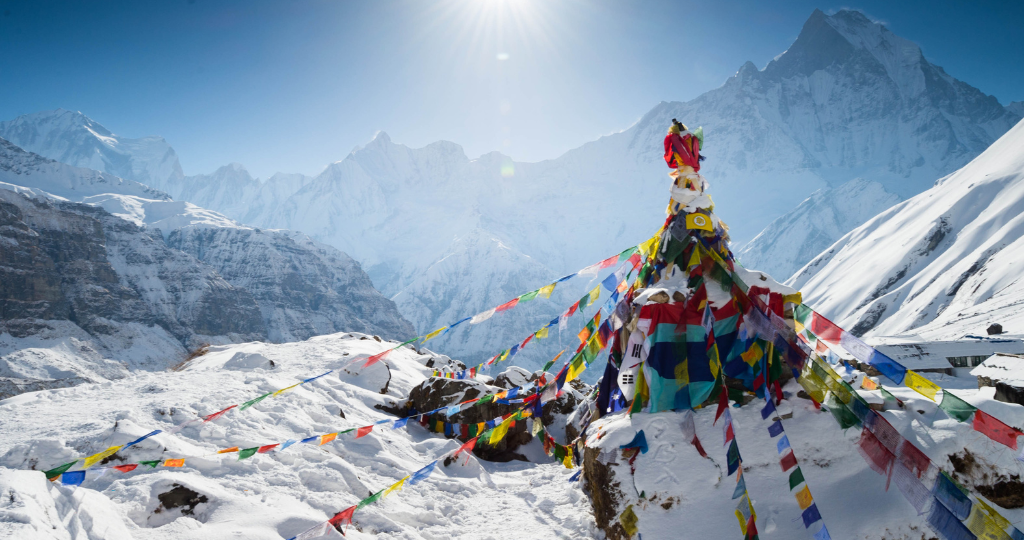

The Annapurna Circuit, renowned for its diverse landscapes, cultural richness, and stunning mountain views, is one of the most iconic trekking routes in the world. Spanning around 160-230 kilometers depending on the route taken, it offers trekkers a challenging yet incredibly rewarding experience. Here’s everything you need to know to embark on this epic adventure.
1. Best Time to Trek
The best times to trek the Annapurna Circuit are during the pre-monsoon (spring) and post-monsoon (autumn) seasons:
- Spring (March to May): The weather is warm and stable, with blooming rhododendrons adding vibrant colors to the landscape.
- Autumn (September to November): Clear skies and moderate temperatures provide perfect trekking conditions, with stunning views of the Annapurna and Dhaulagiri ranges.
2. Permits Required
To trek the Annapurna Circuit, you need two permits:
- Annapurna Conservation Area Permit (ACAP): Available from the Nepal Tourism Board offices in Kathmandu and Pokhara.
- Trekkers’ Information Management System (TIMS) Card: Obtainable from the same offices where you get the ACAP. Ensure you carry these permits at all times as there are several checkpoints along the route.
3. Physical Preparation
The Annapurna Circuit is a demanding trek that requires a good level of fitness. Prepare by:
- Engaging in regular cardiovascular exercise like running, cycling, or hiking.
- Strength training to build muscle endurance, especially for your legs.
- Practicing hiking with a loaded backpack to get accustomed to carrying your gear.
4. Acclimatization and Altitude Sickness
Acclimatization is crucial as the trek reaches an altitude of 5,416 meters at the Thorong La Pass. Symptoms of altitude sickness include headache, nausea, and dizziness. To prevent it:
- Ascend slowly and take rest days to acclimatize.
- Stay hydrated and avoid alcohol.
- Be prepared to descend if symptoms persist.
5. Packing Essentials
Pack light but ensure you have the essentials:
- Clothing: Layered clothing, waterproof jacket, thermal wear, gloves, and a warm hat.
- Footwear: Sturdy, comfortable trekking boots and thick socks.
- Gear: Sleeping bag, trekking poles, headlamp, and a first aid kit.
- Miscellaneous: Sunscreen, water purification tablets, snacks, and personal identification.
6. Accommodation and Food
Teahouses provide accommodation and meals along the Annapurna Circuit. While basic, they offer a unique cultural experience. Expect:
- Rooms: Simple with twin beds and shared bathrooms.
- Meals: Dal Bhat (rice and lentils), noodles, soups, and seasonal vegetables. Eating local food supports the community and ensures fresh meals.
7. Cost and Budget
The cost of trekking the Annapurna Circuit varies but budget approximately $20-$30 per day for food and accommodation. Additional costs include:
- Permits and transportation.
- Gear rental or purchase.
- Tips for guides and porters if you hire them.
8. Guides and Porters
While the Annapurna Circuit can be trekked independently, hiring a guide or porter can enhance your experience. They provide:
- Knowledge of the trail, local culture, and language.
- Assistance with navigation and carrying heavy loads.
- Insightful information about the region’s history and environment.
9. Safety Tips
- Always stay on the marked trail.
- Inform someone about your itinerary.
- Carry a reliable map or GPS device.
- Be cautious of weather changes and landslides.
10. Environmental Responsibility
Respect the environment by following the Leave No Trace principles:
- Dispose of waste properly and use designated trash bins.
- Avoid using plastic bottles; carry a reusable water bottle and purification method.
- Respect local wildlife and their habitats.
Conclusion
Trekking the Annapurna Circuit is an adventure of a lifetime, offering breathtaking scenery, cultural immersion, and a sense of accomplishment. With proper preparation and respect for the environment and local communities, you’ll have an unforgettable experience on one of the world’s most renowned trekking routes. Happy trekking!


